
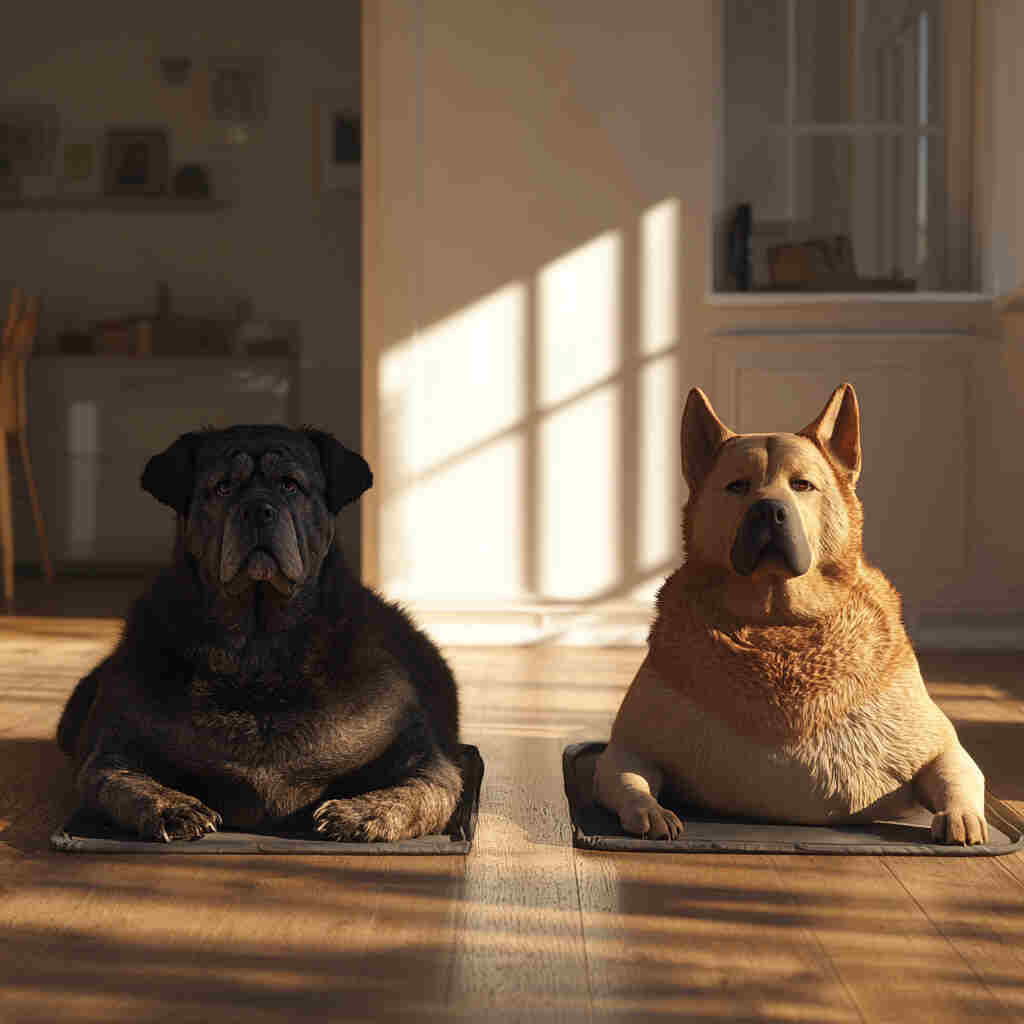
Obesity is a growing problem in dogs and can lead to serious health issues such as joint pain, diabetes, and heart disease. Many dog owners don’t realize their pet is overweight until it starts affecting their energy levels and mobility.
Helping your dog lose weight is not just about appearance—it’s about improving their quality of life and ensuring they live longer, healthier lives. With the right approach, you can safely guide your dog toward a healthy weight.
Signs Your Dog Is Overweight
Before starting a weight loss plan, check for these signs:
- Difficulty feeling your dog’s ribs
- Lack of visible waistline
- Low energy and reluctance to exercise
- Heavy breathing after light activity
- Slow movement or stiffness
If you notice these signs, your dog may need to lose weight.
Why Dog Weight Loss Is Important
Excess weight can lead to serious health problems:
- Joint stress and arthritis
- Increased risk of diabetes
- Heart and respiratory issues
- Reduced lifespan
Maintaining a healthy weight helps prevent these conditions.
How to Help Your Dog Lose Weight
1. Adjust Food Portions
Overfeeding is one of the main causes of weight gain. Measure your dog’s meals carefully and avoid giving extra food.
2. Choose the Right Diet
Switch to high-quality, low-calorie dog food designed for weight management. Look for:
- High protein content
- Low fat levels
- Balanced nutrients
3. Increase Exercise
Regular physical activity is essential:
- Daily walks
- Play sessions
- Interactive toys
Start slowly and increase intensity over time.
4. Limit Treats
Treats can quickly add extra calories. Replace them with healthier options or reduce their frequency.
5. Create a Routine
Feeding and exercise should follow a consistent schedule. This helps regulate metabolism and improve results.
Tips for Safe Weight Loss
- Aim for gradual weight loss
- Avoid sudden diet changes
- Monitor progress weekly
- Ensure access to fresh water
Rapid weight loss can be harmful, so patience is key.
When to Consult a Veterinarian
If your dog is significantly overweight or has underlying health issues, consult a veterinarian. They can provide a personalized plan and monitor progress safely.
Final Thoughts
Helping your dog lose weight requires consistency, discipline, and the right strategy. By adjusting diet, increasing activity, and maintaining a routine, you can improve your dog’s health and overall well-being.
A healthy dog is more active, happier, and less prone to serious diseases.