
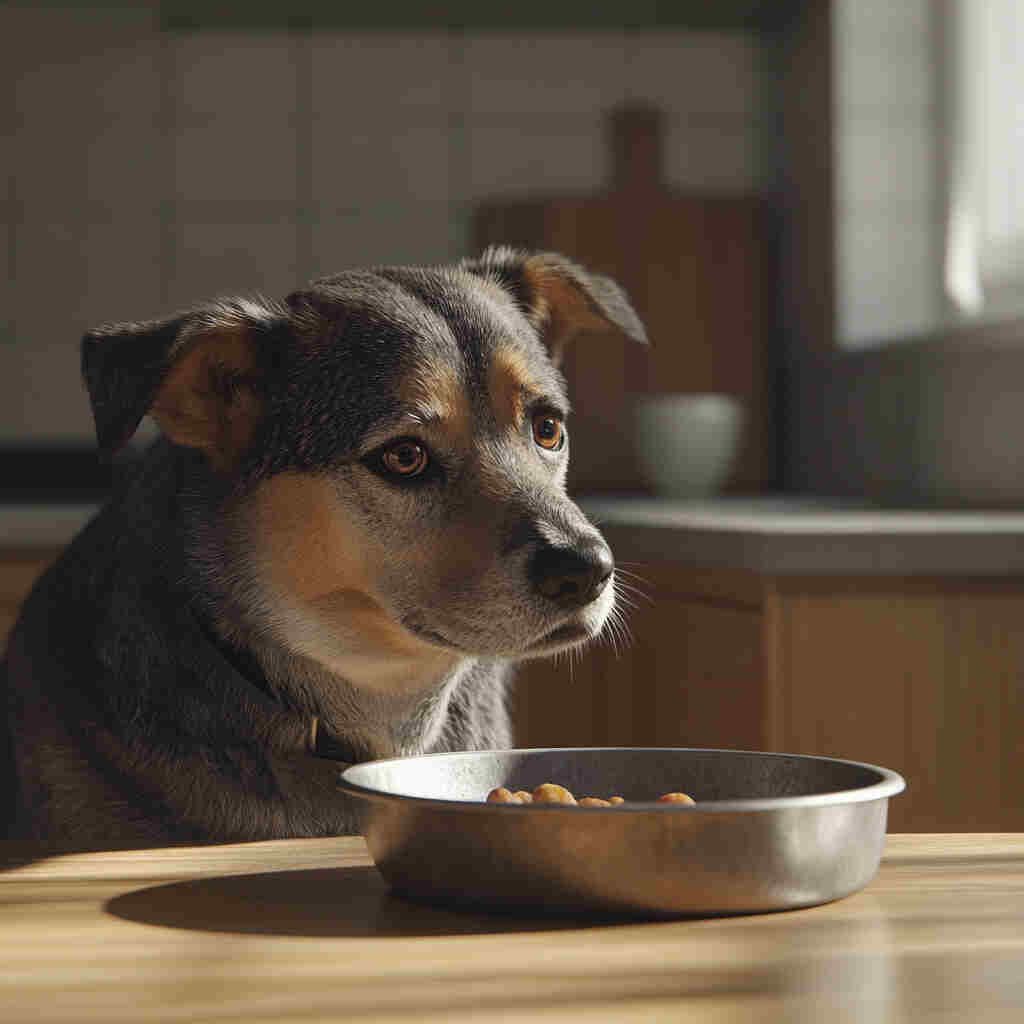
Digestive problems are common in dogs and can range from mild discomfort to serious health issues. If your dog frequently experiences diarrhea, vomiting, or loss of appetite, it may be a sign that something is wrong with their digestive system.
Understanding the causes and knowing how to respond can help you protect your dog’s health and prevent complications.
Common Symptoms of Digestive Problems
Dogs with digestive issues often show clear warning signs:
- Diarrhea or loose stools
- Vomiting
- Loss of appetite
- Excessive gas
- Weight loss
- Low energy
These symptoms may appear suddenly or develop over time.
What Causes Digestive Problems in Dogs?
Several factors can affect your dog’s digestive system:
1. Poor Diet
Low-quality dog food or sudden changes in diet can upset digestion and lead to stomach issues.
2. Food Intolerance or Allergies
Some dogs react negatively to certain ingredients like grains, dairy, or specific proteins.
3. Eating Something They Shouldn’t
Dogs often eat things like garbage, spoiled food, or foreign objects, which can irritate the stomach.
4. Infections and Parasites
Bacteria, viruses, and parasites can cause serious digestive problems if not treated quickly.
5. Stress and Anxiety
Stress can affect digestion, leading to symptoms like diarrhea or loss of appetite.
How to Fix Digestive Problems
Adjust Diet
Switch to high-quality, easily digestible food. Look for simple ingredients and avoid artificial additives.
Use Probiotics
Probiotics help restore healthy gut bacteria and improve digestion.
Provide Simple Meals
During recovery, feed your dog bland foods like boiled chicken and rice.
Keep Your Dog Hydrated
Ensure your dog drinks enough water, especially if experiencing diarrhea or vomiting.
Monitor Eating Habits
Prevent your dog from eating harmful or unknown substances.
When to See a Veterinarian
Seek professional help if:
- Symptoms last more than 2 days
- There is blood in stool or vomit
- Your dog becomes weak or dehydrated
- Vomiting or diarrhea is severe
Early treatment can prevent serious complications.
Final Thoughts
Dog digestive problems can be uncomfortable and sometimes dangerous, but with the right care, most issues can be resolved quickly. Paying attention to diet, hygiene, and behavior is key to maintaining a healthy digestive system.
If symptoms persist, always consult a veterinarian for proper diagnosis and treatment.