
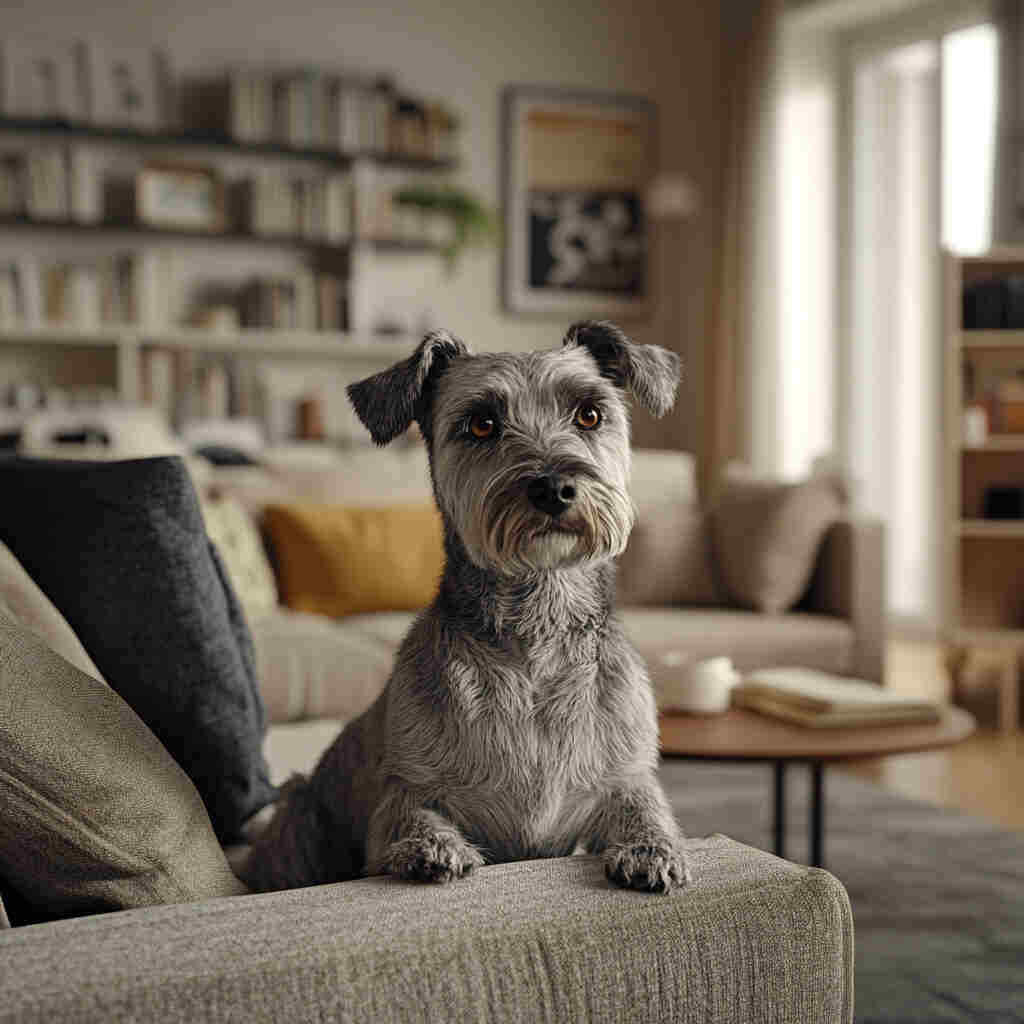
Dog anxiety is more common than many owners realize. Whether it’s caused by separation, loud noises, or changes in routine, anxiety can seriously affect your dog’s behavior and well-being.
Dogs may bark excessively, destroy furniture, or show signs of distress when they feel anxious. The good news is that there are effective ways to calm your dog and help them feel safe again.
In this guide, you’ll learn what causes anxiety in dogs and how to calm an anxious dog using proven techniques.
Signs Your Dog Is Anxious
Before applying solutions, it’s important to recognize anxiety symptoms:
- Excessive barking or whining
- Pacing or restlessness
- Destructive behavior
- Trembling or shaking
- Hiding or trying to escape
These signs often appear during stressful situations like being left alone or hearing loud noises.
Common Causes of Dog Anxiety
Understanding the cause helps you choose the right solution.
Separation Anxiety
Dogs that are strongly attached to their owners may panic when left alone.
Noise Anxiety
Thunderstorms, fireworks, and loud sounds can trigger fear.
Changes in Environment
Moving to a new home or introducing new people or pets can cause stress.
Lack of Exercise
Dogs with too much unused energy may develop anxiety-related behaviors.
How to Calm an Anxious Dog
1. Create a Safe Space
Give your dog a quiet and comfortable area where they feel secure. This could be a crate, a bed, or a specific room.
2. Increase Physical Activity
Regular exercise helps reduce stress and release excess energy. Daily walks and playtime are essential.
3. Use Calming Products
Several products can help calm anxiety:
- Calming treats
- Anxiety wraps
- Pheromone diffusers
These tools provide additional support when needed.
4. Try Natural Remedies
Natural options can be effective for mild anxiety:
- Chamomile
- CBD oil (vet-approved)
- Herbal calming supplements
Always use proper dosages.
5. Maintain a Consistent Routine
Dogs feel more secure when they know what to expect. Feeding, walking, and sleeping at the same time every day can reduce anxiety.
6. Avoid Reinforcing Fear
Do not reward anxious behavior with extra attention. Stay calm and confident to help your dog feel safe.
When to Seek Professional Help
If anxiety is severe or persistent, consult a veterinarian or a professional dog trainer. In some cases, medication or behavioral therapy may be necessary.
Final Thoughts
Learning how to calm an anxious dog takes patience and consistency. By identifying the cause and applying the right techniques, you can help your dog feel more relaxed and secure.
A calm dog is a happy dog, and your efforts can make a lasting difference in their quality of life.